Exploring the Allure of Tahiti Pearls in Jewelry Design
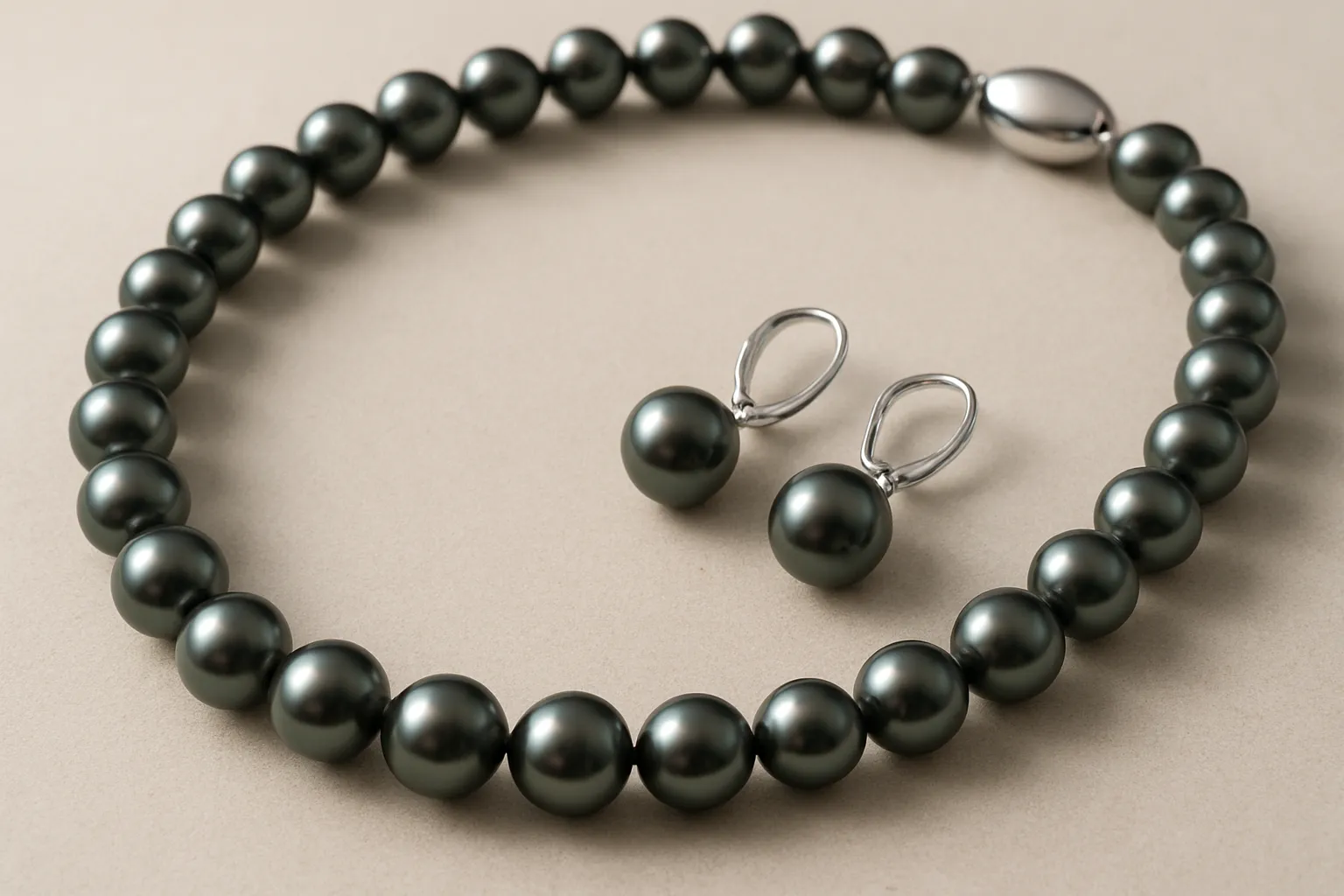
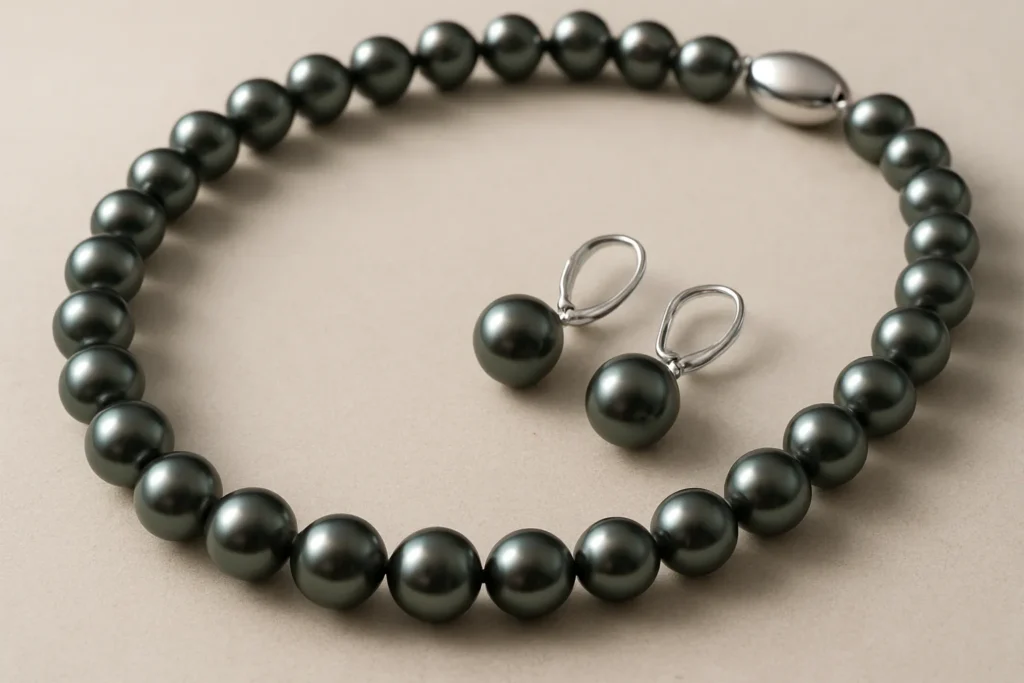
Tahiti pearls, often referred to as black pearls, are celebrated for their striking beauty and exotic origins. Cultivated primarily from the black-lipped oyster, Pinctada margaritifera, these pearls thrive in the warm waters of French Polynesia. Their enchanting dark hues, which range from deep black to shimmering gray, present a captivating alternative to traditional white pearls. Historically, Tahiti pearls have held significant cultural importance in Polynesian societies, symbolizing wealth and status. Their timeless appeal continues to make them a favored choice in modern jewelry design. If you’re interested in exploring various options, be sure to check out our collection of premium pearl jewelry.
Specifications of Tahiti Pearls
Tahiti pearls are renowned for their size and shape variations, which greatly influence their desirability in the jewelry market. Typically, these pearls range from 8mm to 18mm in diameter and can be found in diverse shapes such as round, semi-round, baroque, and drop. Each unique shape contributes to the individual character of the pearl, allowing designers to create truly one-of-a-kind pieces.
The color spectrum of Tahiti pearls is another notable feature. They can exhibit a range of colors, including peacock green, silver, blue, and even lighter shades like lavender. The quality of these pearls is assessed based on surface quality, luster, and color, with higher grades commanding premium prices. Understanding these specifications is essential for jewelry designers and retailers looking to incorporate Tahiti pearls into their collections. For more insights, you can refer to this industry reference.
Use Cases in Jewelry Design
The versatility of Tahiti pearls makes them ideal for various jewelry styles. They are frequently featured in elegant necklaces, statement earrings, and intricate bracelets, appealing to a wide array of consumers. Popular styles include classic pearl strands, modern minimalist designs, and bold statement pieces that emphasize the pearls’ unique characteristics.
When working with Tahiti pearls, designers have abundant customization options. Jewelers can craft bespoke pieces tailored to individual customer preferences, from selecting specific pearl colors and shapes to incorporating complementary materials like gold or silver. This high level of customization not only enhances the appeal of pearl jewelry but also showcases the designer’s creativity and craftsmanship.
Sourcing Tahiti Pearls
Sourcing Tahiti pearls involves a deep understanding of key suppliers and regions. Most Tahiti pearls are harvested in French Polynesia, particularly in the Tuamotu Archipelago and Society Islands. These areas provide ideal conditions for pearl cultivation, with clean waters and optimal temperatures.
As consumers become more conscious of the environmental and social impacts of their purchases, ethical sourcing practices are increasingly important in the pearl industry. It is essential for jewelry brands to collaborate with suppliers who follow sustainable farming practices and uphold fair labor conditions. This commitment not only bolsters brand reputation but also resonates with the values of today’s consumers.
Comparing Tahiti Pearls to Other Pearl Types
When exploring the pearl jewelry market, it is crucial to compare Tahiti pearls with other popular types such as Akoya and South Sea pearls. Tahiti pearls differ significantly from Akoya pearls, which are generally smaller, rounder, and known for their classic white or cream colors. While Akoya pearls are often associated with traditional elegance, Tahiti pearls offer a contemporary edge with their darker hues and unique shapes.
In contrast, South Sea pearls are larger and typically more expensive, renowned for their luxurious luster and creamy white or golden colors. Although both Tahiti and South Sea pearls are considered premium options, their distinct characteristics cater to varied market segments and design preferences.
Implementation in Jewelry Collections
Current trends in jewelry design increasingly favor the incorporation of Tahiti pearls. As consumers seek unique and personalized jewelry, Tahiti pearls present an excellent opportunity for brands to differentiate their offerings. The rise of bohemian and artisanal styles has further fueled interest in these pearls, which can be styled in numerous ways to suit contemporary tastes.
Marketing strategies for Tahiti pearl jewelry should emphasize storytelling and the pearls’ exotic origins. Highlighting their unique features and sustainable sourcing practices can resonate with environmentally conscious consumers. Additionally, leveraging social media platforms and influencer collaborations can enhance visibility and drive sales.
FAQs about Tahiti Pearls
Common misconceptions about Tahiti pearls often revolve around their color and quality. Some consumers may mistakenly believe that all Tahiti pearls are black, when in reality, they come in a variety of shades. Furthermore, the notion that Tahiti pearls are inferior to other types is unfounded; their unique beauty and characteristics make them highly desirable.
To care for Tahiti pearl jewelry, it’s advisable to store pieces in a soft cloth or pouch to prevent scratches and avoid exposure to harsh chemicals. Regular cleaning with a soft, damp cloth can help maintain their luster.
Conclusion
Tahiti pearls have firmly established themselves as a prominent choice in modern jewelry design, offering a unique blend of beauty, versatility, and cultural significance. By understanding their specifications, sourcing methods, and market positioning, jewelry designers can effectively integrate Tahiti pearls into their collections. As consumer preferences evolve, the demand for these exquisite pearls is likely to grow, making them a valuable asset in the jewelry industry.