How to Choose Freshwater Pearl Necklace Wholesale: A Buyer’s Guide
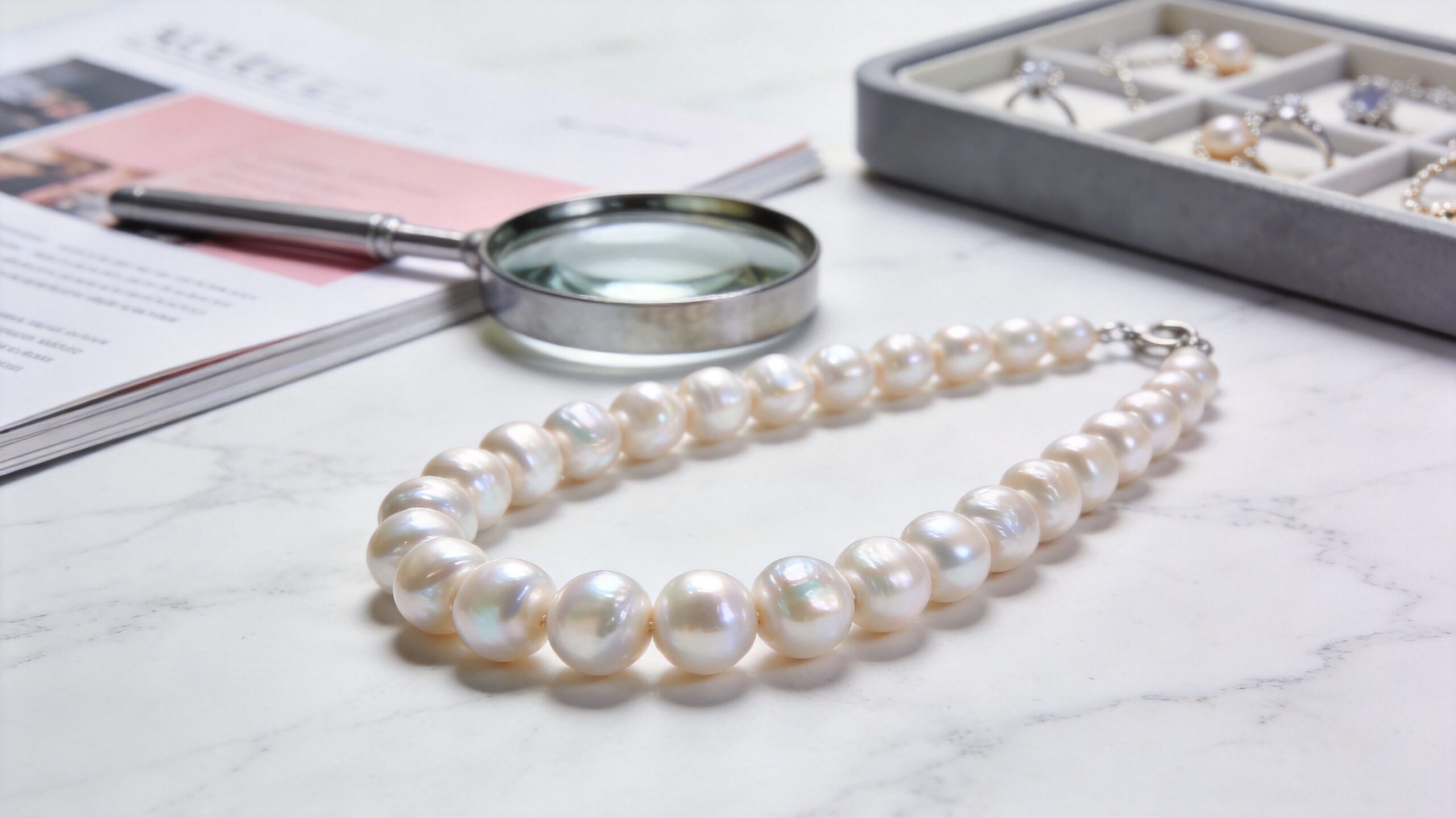
Freshwater pearl necklaces remain one of the most versatile and profitable categories in the jewelry market. For retailers, boutiques, and online sellers, sourcing these pieces through pearl jewelry wholesale channels offers significant cost advantages without compromising on aesthetic appeal. However, navigating the wholesale landscape requires more than simply picking a supplier and placing an order. This guide walks you through the critical decisions—from quality grading to supplier vetting—so you can build a freshwater pearl necklace inventory that sells consistently and delivers healthy margins.
Why Wholesale Freshwater Pearl Necklaces Are a Smart Inventory Choice
Profit Margins and Price Stability in Pearl Jewelry Wholesale
Freshwater pearls offer one of the most attractive cost-to-retail ratios in the gemstone market. Unlike diamonds or precious metals, freshwater pearls are cultured in controlled environments, which keeps production costs predictable. For buyers engaged in pearl jewelry wholesale, this translates into stable wholesale pricing and dependable profit margins—typically 100% to 300% markup at retail. Because freshwater pearls are not subject to the same speculative price swings as gold or silver, you can plan your inventory budget with greater confidence.
Market Demand for Freshwater Pearl Necklaces Across Retail Segments
Demand for freshwater pearl necklaces spans multiple retail segments: bridal jewelry, gift markets, corporate awards, and everyday fashion. Bridal boutiques consistently stock pearl necklaces for bridesmaids and mother-of-the-bride gifts. Department stores and e-commerce platforms see steady year-round sales, with peaks during Mother’s Day, Valentine’s Day, and the holiday season. By carrying freshwater pearl necklaces in bulk, you position your business to serve all these segments with a single product line.
Key Quality Grades to Specify in Bulk Orders
Luster, Surface, and Shape Grading Criteria
When ordering freshwater pearl necklace bulk inventory, you must specify quality grades clearly. Luster—the sharpness of reflections on the pearl surface—is the most visible quality indicator. Grade A luster shows bright, crisp reflections; Grade B offers good but softer reflections; Grade C is acceptable for budget lines. Surface quality matters equally: look for pearls with minimal blemishes, spots, or pits. Shape grading ranges from perfectly round (highest value) to baroque (irregular, lower cost). Decide which combination of luster, surface, and shape fits your target customer before negotiating with suppliers.
Nucleus Size and Nacre Thickness Considerations
Freshwater pearls are typically bead-nucleated or tissue-nucleated. Bead-nucleated pearls have a larger, rounder core and thinner nacre, while tissue-nucleated pearls grow entirely of nacre, making them more durable and longer-lasting. For wholesale buyers, nacre thickness directly affects product longevity and customer satisfaction. Thicker nacre means the pearl will resist chipping and maintain its luster for decades. Always request nacre thickness information in your grading reports, especially if you plan to market your necklaces as heirloom-quality pieces. For a closer look at premium options, explore our AAA Grade Rice-Shaped Oval Freshwater Pearl Necklace as a reference for high-quality standards.
Matching Quality Tiers to Your Target Price Point
Your wholesale strategy should align quality tiers with retail price points. Offer a “good” tier (Grade B luster, slight surface imperfections, near-round shapes) for entry-level customers, a “better” tier (Grade A luster, clean surfaces, round shapes) for mid-range buyers, and a “best” tier (AAA grade, flawless, perfectly round) for premium clients. This tiered approach maximizes your market coverage while allowing you to manage inventory costs effectively.
Choosing the Right Length, Clasp, and Stringing for Bulk Stock
Popular Necklace Lengths for Wholesale Buyers
Standard lengths dominate wholesale orders: 16-inch chokers, 18-inch princess length (the most popular), 20-inch matinee, and 24-inch opera. Princess length accounts for roughly 60% of all freshwater pearl necklace sales, making it your safest bulk investment. Chokers appeal to younger demographics, while opera and rope lengths serve bridal and formal markets. Stock a mix, but weight your order toward 18-inch and 20-inch options.
Clasp Types That Balance Cost and Durability
Clasps are a frequent failure point in pearl necklaces. For bulk inventory, choose sturdy yet cost-effective options: 14k gold-filled or sterling silver lobster clasps offer excellent durability at moderate cost. Avoid cheap magnetic clasps, which can detach and lead to lost pearls. If your target market includes fine jewelry buyers, consider 14k solid gold clasps as an upsell option, but keep them as a smaller percentage of your total order.
Silk vs. Synthetic Threading for Long-Term Wear
Traditional silk thread is the classic choice for pearl necklaces, offering a soft drape and natural knotting. However, silk stretches and weakens over time, especially with frequent wear. Synthetic threads like nylon or polyester are more durable, resist moisture, and maintain tension longer. For wholesale stock, many buyers prefer synthetic threading for lower-end lines and silk for premium pieces. Always request that necklaces be knotted between pearls—this prevents pearl-on-pearl friction and protects the necklace if the thread breaks.
Comparing Freshwater vs. Other Pearl Types for Wholesale
Freshwater vs. Akoya: Cost and Appearance Differences
Akoya pearls are saltwater pearls known for their exceptional luster and perfectly round shapes. However, they cost significantly more—often three to five times the price of comparable freshwater pearls. Freshwater pearls offer a wider range of colors (including pastel pinks, lavenders, and creams) and are more affordable, making them ideal for volume sales. If your customers prioritize budget and color variety, freshwater is the clear winner.
Freshwater vs. Cultured Saltwater: Durability and Sourcing
South Sea and Tahitian pearls are larger and more luxurious but come with premium price tags and longer sourcing lead times. Freshwater pearls are more durable due to their solid nacre composition, making them less prone to chipping. Additionally, freshwater pearl farming is more environmentally sustainable and has shorter cultivation cycles, ensuring a more reliable supply chain for pearl necklace bulk orders. For a practical example of durable freshwater designs, check our Gold-Plated Necklace with Flat Freshwater Baroque Pearls to see how these pearls perform in real products.
When to Offer Mixed Pearl Necklace Collections
Consider offering mixed collections that combine freshwater pearls with other gemstones or metals. For example, freshwater pearl necklaces with gold spacers or crystal accents can command higher retail prices while using fewer pearls per piece. This strategy diversifies your inventory and appeals to customers seeking contemporary designs.
Sourcing Reliable Pearl Necklace Bulk Suppliers
Vetting Manufacturers vs. Trading Companies
Manufacturers offer lower prices and more customization options but require larger minimums and direct communication with production teams. Trading companies provide convenience and flexibility but at higher unit costs. For your first orders, a reputable trading company may be safer; as your volume grows, transition to direct manufacturer relationships to improve margins. When evaluating potential partners, review their company background and capabilities to ensure they can meet your production needs.
Requesting Samples and Grading Reports
Never place a large pearl necklace bulk order without first requesting physical samples. Evaluate luster, surface quality, and knotting in person. Also, request third-party grading reports from recognized gemological laboratories. These reports verify pearl quality, nacre thickness, and authenticity—protecting you from misrepresented goods. For additional industry reference on grading standards, consult authoritative materials to stay informed.
Minimum Order Quantities and Lead Times
Typical MOQs for freshwater pearl necklaces range from 50 to 200 pieces per design. Lead times vary from 2 to 6 weeks depending on customization and supplier location. Always confirm MOQs and lead times in writing before committing. Factor in shipping time so your inventory arrives before peak sales seasons.
Pricing Strategies and Margin Planning for Resellers
Calculating Landed Cost per Necklace
Your landed cost includes the wholesale unit price, shipping, customs duties, and any inspection or insurance fees. For example, if a necklace costs $15 wholesale, shipping adds $1.50, and duties add $0.75, your landed cost is $17.25. Use this figure—not the wholesale price—as the basis for your retail markup.
Tiered Pricing for Retail vs. Wholesale Clients
If you sell both to end consumers and to other businesses, establish clear tiered pricing. Retail pricing should target a 2.5x to 3x markup on landed cost. Wholesale pricing for other retailers should sit at 1.5x to 1.8x your landed cost, leaving room for their margins while keeping your profit healthy.
Seasonal Discounts and Clearance Planning
Plan for seasonal promotions around major gifting holidays. Offer bundle deals (e.g., necklace and earring sets) to increase average order value. For slow-moving styles, schedule clearance sales before new inventory arrives to free up cash flow and storage space.
Quality Control and Packaging for Wholesale Shipments
Inspection Checklists Before Dispatch
Before accepting any shipment, inspect a random sample of at least 10% of your order. Check for consistent pearl size, uniform color, secure clasps, and proper knotting. Verify that the necklace length matches your specifications. Document any discrepancies with photos and notify the supplier immediately.
Anti-Tarnish and Protective Packaging Options
Pearls are organic gems that require careful packaging. Use anti-tarnish pouches or tissue paper to prevent surface damage. For individual retail units, consider branded gift boxes that enhance perceived value. For bulk shipping, use padded dividers to prevent pearls from rubbing against each other during transit.
Handling Returns and Defective Units
Establish a clear return policy with your supplier before ordering. Most reputable suppliers accept returns for defective units within 7–14 days of delivery. Keep detailed records of your order and inspection results to support any claims. For your own customers, offer a 30-day return window to build trust and reduce buyer hesitation.
Frequently Asked Questions About Freshwater Pearl Necklace Wholesale
What is the typical MOQ for pearl necklace bulk orders?
Most suppliers require a minimum order of 50 to 100 pieces per design, though some manufacturers accept orders as low as 20 pieces for established clients. Higher MOQs typically unlock better per-unit pricing.
How do I verify pearl authenticity in bulk shipments?
Request a certificate of authenticity from your supplier, and consider independent lab testing for high-value orders. Genuine freshwater pearls have a slightly gritty texture when rubbed against your teeth, unlike plastic imitations. For large shipments, a gemologist’s inspection is worth the investment. For deeper technical reference on pearl composition, scientific resources can provide additional validation methods.
Can I customize lengths or clasps for wholesale orders?
Yes, most manufacturers offer customization options for length, clasp type, and even pearl size and color. Custom orders usually require higher MOQs and longer lead times. Always confirm customization capabilities before finalizing your order.
Choosing the right freshwater pearl necklace wholesale supplier and product mix is a strategic decision that impacts your brand reputation and bottom line. By prioritizing quality grades, understanding market demand, and implementing rigorous quality control, you can build a pearl necklace bulk inventory that delights customers and drives repeat business. Start with a well-defined product strategy, vet your suppliers carefully, and scale your orders as your sales data confirms what works. With the right approach, freshwater pearl necklaces will become a reliable profit center for your jewelry business.