Flat Pearl Necklaces: Request the Care-Label File
For a flat-pearl necklace care-label RFQ, ask whether the manufacturer provides an applicable care or handling document for the actual finished necklace. Request its identifier, revision and stated assembly or component scope. Connect the response to the sample and quotation. Keep the document request separate from any proposal to supply physical care labels; catalogue photographs do not provide confirmed care wording.
Jewellery buyers often receive a product image and commercial description before receiving an identified care record. A focused document request helps the supplier answer for the necklace actually being offered. It also gives the buyer a clear reference when reviewing proposed product information, without turning a pearl appearance, metal-colour description or styled photograph into care instructions.
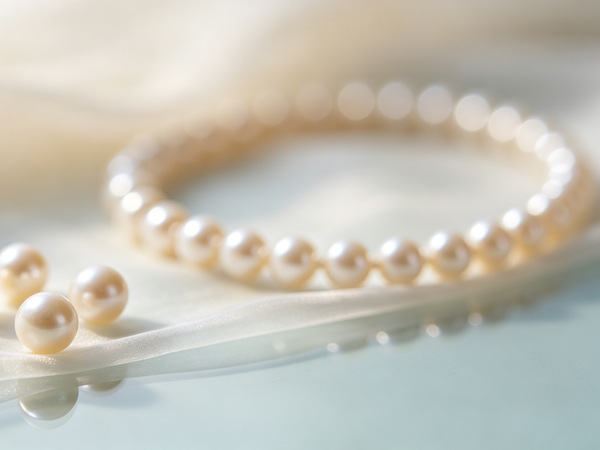
Separate pearl-jewellery catalogue reference. The image does not identify the quoted flat-necklace model, pearl origin or grade, verified component materials, set quantities or care instructions.
Identify the finished necklace behind the request
Start with the linked flat-pearl necklace catalogue reference and request the manufacturer designation used in the quotation. Record any product or version code the supplier assigns to that offer. If the sample carries a different reference, ask the manufacturer to explain the relationship before attaching a care document to the commercial line.
The bead-strand scene above is a separate pearl-jewellery category illustration. It does not identify the quoted flat-necklace model or establish the origin, grade or composition of its components. Use the actual manufacturer product reference to identify the subject of the request and retain the illustration only as broader catalogue context.
Ask what care record is actually available
Ask whether the manufacturer provides care-label wording, a handling note or another applicable care record for the offered finished item. If it proposes a document, request its title or identifier and revision. If a suitable record is not available, retain that response as an unresolved information point rather than supplying wording from another necklace.
Keep an inquiry for a document distinct from an accepted supplier proposal. Asking for a file does not establish that the file exists or that a documentation service is offered. Where the supplier refers to a general jewellery note, request its explanation of how that note applies to this particular necklace version.
Buying field
Requested supplier response
Product reference
Actual manufacturer designation and offered necklace version.
Document status
Supplier response on whether an applicable care or handling record is provided.
Record identity
Actual document, wording or artwork identifier and revision, if supplied.
Assembly scope
Manufacturer statement on whether the record concerns the finished necklace.
Component limits
Any component-specific applicability or exclusions stated by the manufacturer.
Sample relationship
Identified sample and the product version represented by that sample.
Commercial relationship
Quotation line associated with the accepted document revision.
Physical-item status
Separate supplier response if a printed care item is proposed.
Actual listed flat-necklace gallery reference. Appearance is not a care instruction, pearl-origin or grade verification, component-material report, finish-thickness measurement or assurance of care-file or physical-label supply.
Confirm the assembly and component boundaries
Request the manufacturer explanation of whether its proposed care record concerns the complete necklace or only named components. Keep its actual component terminology with the document reference. If separate statements are supplied for different areas, ask how they relate to the finished item being quoted instead of combining them into an unsupported whole-product instruction.
The worn catalogue view above identifies the listed necklace appearance. Its visible decorative areas do not establish a care method or verify component materials. A statement about one identified component should remain within the manufacturer stated scope; ask the supplier to clarify other areas before using the record in purchasing information.
Retain the wording and its applicable version
When a file is provided, retain its manufacturer identifier and revision together with the product reference. Ask the supplier to identify the applicable language or text version if several files are proposed. Where a translated version is discussed, request confirmation of which source revision it represents and keep any unresolved wording relationship visible.
A file name alone may not explain whether the supplier has updated the document for the current offer. Ask which revision is proposed for the actual sample and quotation. Retain the answer with the original record rather than treating a familiar photograph or similar necklace description as evidence that an earlier document remains applicable.
Actual listed flat-necklace gallery reference. Appearance is not a care instruction, pearl-origin or grade verification, component-material report, finish-thickness measurement or assurance of care-file or physical-label supply.
Connect the care record to the sample
The complete-necklace gallery image above is an appearance reference for the inquiry. The display fabric does not identify packing materials or provide storage conditions. Request the manufacturer sample reference associated with its proposed care record and the offered product version that the sample represents.
If the supplier presents more than one sample or revises the offer, ask it to state which sample corresponds to the identified document. Retain any exception or revision beside that relationship. This avoids assigning a record from a comparable jewellery item to the offered necklace merely because the two have a similar visual style.
Separate the file from a printed care-item proposal
If the manufacturer also proposes a printed care card or physical label, ask for its commercial status separately from the file. Record whether that item is included, separately quoted, excluded or still unresolved in the actual offer. Receiving care wording alone does not establish the supply of a printed item.
Request the document revision associated with any proposed physical item and connect that response to the quotation line. Keep the inquiry limited to the manufacturer actual proposal, without assuming printing services, supplied quantities, attachment arrangements or a required label format. A clear file-to-offer relationship is the purchasing objective.
Resolve unanswered points without writing instructions
Compare the product designation, sample reference, document revision and stated component scope across the supplier response and quotation. Ask the manufacturer to resolve conflicting references or unclear applicability. Keep unanswered questions beside the accepted record instead of completing the file with assumptions derived from a general pearl or finish description.
This inquiry does not provide cleaning, soaking, drying or storage directions. It requests the manufacturer applicable record and its stated limits. The buyer should retain any actual supplied wording within that scope rather than inventing conditions, procedures, durability results or safety conclusions to make an incomplete document appear complete.
Keep the accepted reference useful for repeat orders
For a repeat or revised quotation, cite the previously accepted care-record identifier and ask whether it remains applicable to the actual version now offered. If the manufacturer provides a replacement, retain its relationship to the earlier revision. Keep the product, sample and quotation references with the updated record so that the change is understandable.
This document request is distinct from approving a necklace packing-contact layout, identifying a finish scope or confirming chain length. Those purchasing records can concern the same product while answering different questions. Link their actual references where useful, while keeping the care-file availability and applicability response separate from other product statements.
Buyer FAQ
Does a catalogue image establish care instructions?
No. Ask the manufacturer whether an applicable care or handling record is provided for the actual offered necklace.
Can one component note be applied to the whole necklace?
Retain its stated scope and ask the manufacturer to clarify the finished-assembly applicability.
Does receiving wording mean a printed care card is included?
Request a separate commercial response for any proposed physical care item.
What should accompany an accepted care file?
Retain its identifier and revision, stated scope, product and sample relationship, and associated quotation reference.
Identify the flat-pearl necklace catalogue reference, distinguish other pearl-jewellery category presentations and request the actual care record through the manufacturer contact page.
Identify the offered necklace version and documentation request.
Request the file status, revision and assembly or component scope.
Retain the accepted response with the sample and quotation.
flat pearl necklace manufacturer care label fileB2B supplier sample record