Pearl Earring RFQs: Request the Ear-Fitting Spec
For long-drop pearl earrings, request a component-specific ear-fitting specification rather than inferring the fitting from a styled photograph. Ask the supplier to identify the part that connects the earring to the ear, its associated backing or closure where applicable, and the materials and finish information that actually apply to those components. Keep that record separate from pearl-pair matching, chain appearance and the overall decorative design.
Official catalogue reference used to identify the product and enquiry scope. It supplies no verified component construction, finish, performance result or measurement.
Identify the actual earring offer
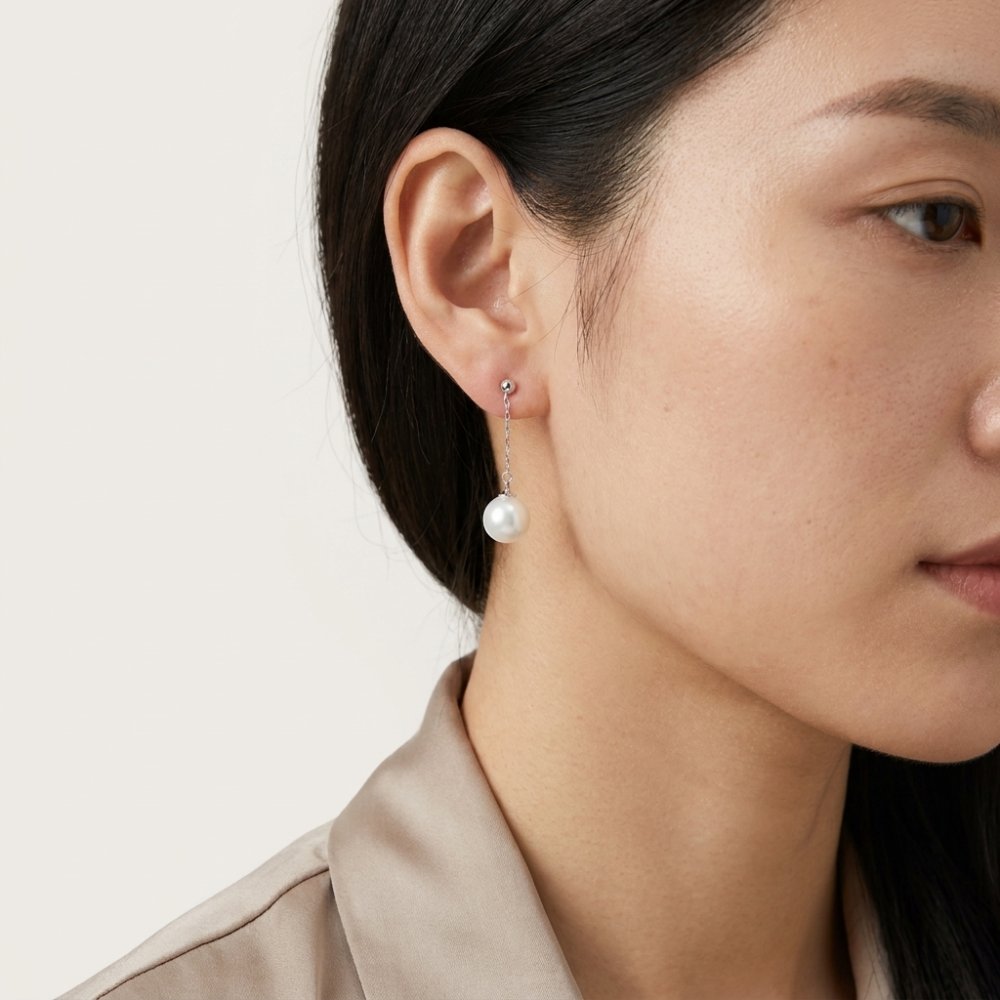
Rushi publishes an official long-drop pearl earring product with display and worn reference photographs. These views help identify the jewellery being discussed. A visible small upper fitting and suspended pearl do not establish the hidden post arrangement, backing type or component composition. Start the enquiry with the exact offer and ask the supplier to name its ear-fitting construction for that product version.
Use the official long-drop earring reference in the supplier request. Retain the selected product, its supplier code if provided and the offer revision. Where a supplier proposes an alternative fitting, request that alternative on a separate line. A similar visual front does not prove that the component behind it, the closure arrangement or its supplied scope is unchanged.
Ask for a fitting component map
Request a manufacturer-marked image or drawing identifying the upper decorative part, the ear-contact fitting, any separately supplied backing and the connection to the hanging element. Ask the supplier to explain which pieces belong to one finished earring and which items, if any, are supplied loose. Do not create a post, hook or clip specification merely from the catalogue appearance. The manufacturer response should identify the construction actually being offered.
If a backing or closure is included, request its item name and quantity basis in the supplied set. Keep a description of the fitting separate from the sale-unit count. A pair of earrings, individual earrings and a bag of loose backing pieces are different counting units. The buyer needs to know which unit each supplier response describes without assuming that everything seen in a presentation photograph is a separate included item.
Official catalogue reference used to identify the product and enquiry scope. It supplies no verified component construction, finish, performance result or measurement.
Tie materials and finishes to named components
Ask the supplier to provide its material declaration for the identified fitting parts and to say exactly which component each material entry covers. If the manufacturer lists a finish, request the surfaces and components to which that finish applies. A broad product material phrase should not be extended automatically to every small component. Retain the supplier wording and its applicable document or sample reference instead of filling unanswered fields with a familiar jewellery material.
Keep a material declaration distinct from any testing or claim substantiation the order requires. Where the buyer needs supporting information for a particular retail claim or destination, ask for the applicable evidence and scope. Do not infer a skin-response claim, metal-release result, material grade or certification from the worn photograph or from the colour of the metal surface. Unanswered questions should remain visible in the enquiry record.
Buying field
Requested supplier response
Exact offer
Product reference, version and supplier quotation
Fitting identity
Manufacturer name and component-location map
Backing or closure
Applicable construction and supplied scope
Material scope
Declaration linked to each named component
Finish scope
Applicable surfaces and supplier evidence reference
Quantity basis
Finished earring, pair and loose components distinguished
Sample record
Actual fitting version and reviewed sample identity
Request appropriate detail views
A front presentation image may conceal the rear of the upper fitting. Ask the supplier for a suitable rear or side reference showing the construction relevant to the enquiry. Use an actual offered sample where a catalogue view does not answer the question. A styled worn image provides appearance context; it does not supply scale, fitting dimensions or an evaluation of wearer comfort.
If fitting dimensions matter to the order, ask the supplier to define the measurement points and provide a model-specific drawing. Keep the fitting measurement separate from overall drop length and pearl size. Have the responsible buyer reviewer resolve an unclear dimension basis before accepting a numerical entry. This article does not prescribe how to fit, modify or use the earring, and it reports no independent measurement or performance test.
Official catalogue reference used to identify the product and enquiry scope. It supplies no verified component construction, finish, performance result or measurement.
Keep substitutions and received sets traceable
Record the sample identity and fitting specification reviewed by the buyer. If the supplier changes an upper fitting, backing or finish while retaining the same pearl design, request an explicit revision description. Keep the previous record and identify which order lines the new version affects. A visually close substitute should remain a proposed alternative until its component scope and the buyer requirements have been reconciled.
At receipt, compare the product identification, counted supplied set and fitting reference with the approved order record. Describe a missing loose backing, a different fitting form and an appearance difference as distinct observations. Ask the supplier for clarification without assuming that one discrepancy proves a change in all components. This approach provides a specific purchasing record while leaving pearl matching, material evidence and claim approval in their own documented scopes.
Buyer FAQ
Does the worn photograph identify the backing type?
Not necessarily. Request a rear or side reference and the manufacturer component description for the actual offered fitting. Do not infer hidden construction from a styled front view.
Should a broad material phrase cover every fitting part?
Only when the supplier explicitly defines that scope. Ask it to map the material and finish information to the individual fitting components being offered.
Can an alternative fitting keep the same order reference?
The supplier should identify the alternative and any affected order lines or revisions. Retain a clear link between the reviewed sample, the component specification and the version ordered.
Supplier response checklist
Exact offered product and component reference
Manufacturer description tied to a sample or document
Confirmed fields and unanswered questions distinguished
wholesale pearl earringsB2B supplier sample record