Pearl Jewelry Care: Maintain 925 Sterling Silver Pearl Necklaces
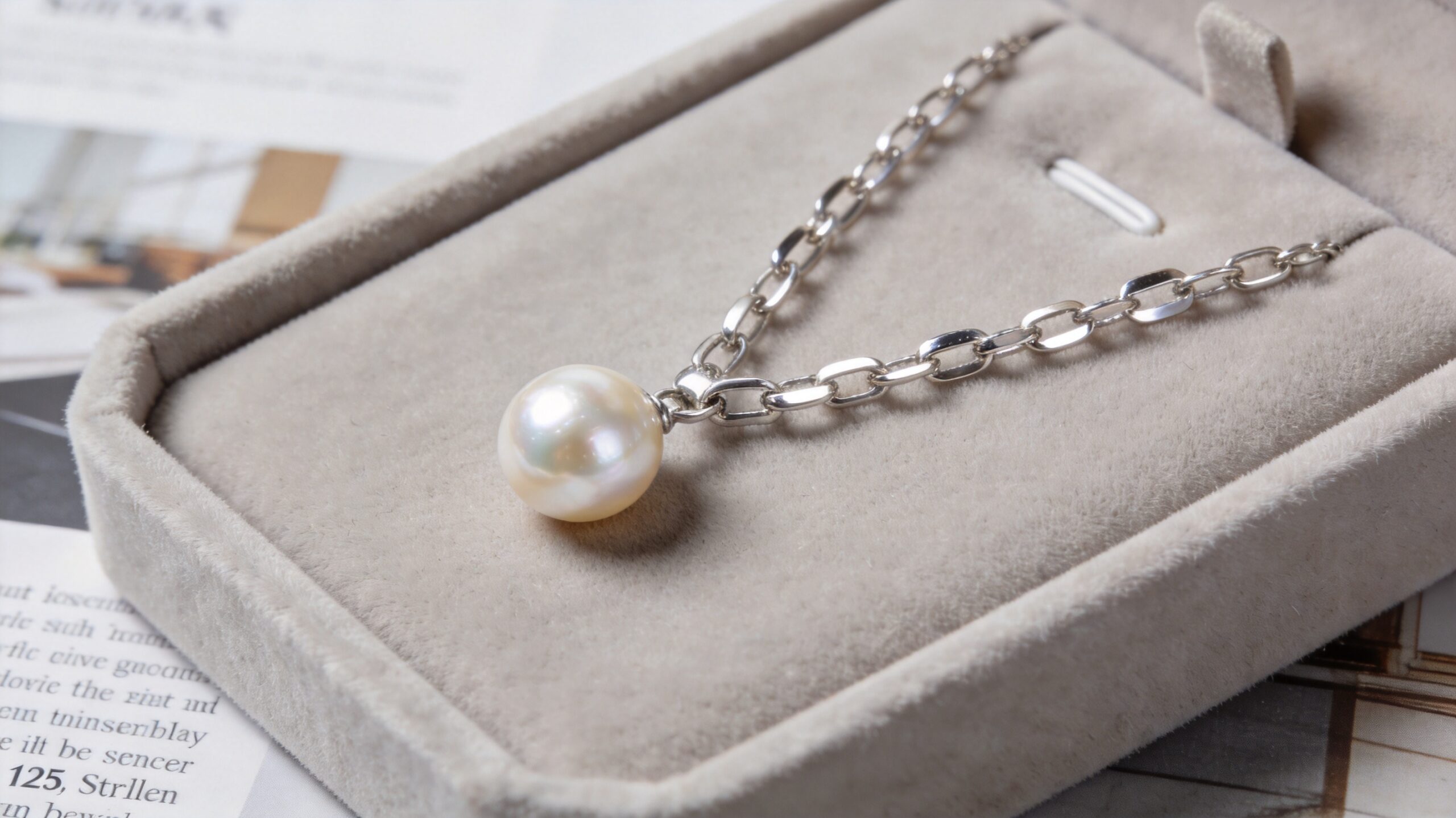
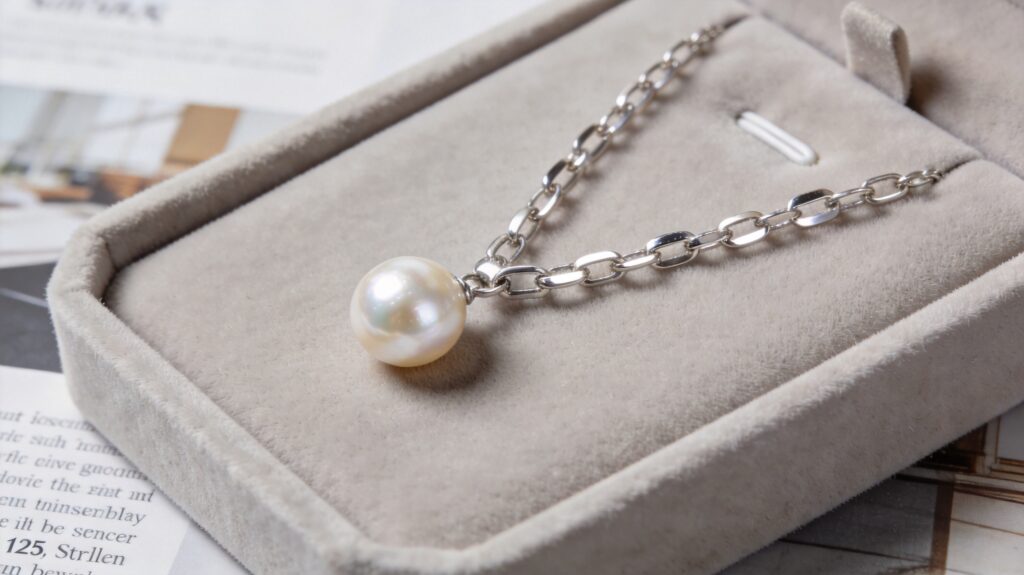
For retailers and suppliers in the fine jewelry sector, the intersection of organic gemstones and precious metals presents a unique set of challenges. While freshwater pearl necklaces offer timeless elegance and strong profit margins, their longevity—and ultimately their retail value—depends entirely on the quality of care they receive. Unlike diamonds or sapphires, pearls are organic and delicate, while 925 sterling silver requires specific maintenance to prevent tarnish. Understanding the nuances of pearl jewelry care is not just a customer service courtesy; it is a critical component of inventory management and brand reputation. This guide provides a comprehensive framework for maintaining the beauty and structural integrity of 925 sterling silver pearl jewelry, ensuring that your stock remains retail-ready for years to come.
Why 925 Sterling Silver Pearl Jewelry Needs Specialized Care
The Unique Vulnerability of Pearl Surfaces
Pearls are composed of calcium carbonate (aragonite) and conchiolin, making them highly porous and susceptible to damage from acids, alkalis, and even prolonged exposure to moisture. Unlike hard gemstones, a pearl’s surface has a relatively low hardness rating of 2.5 to 4.5 on the Mohs scale. This means they can be scratched by dust particles, abraded by contact with other jewelry, and chemically etched by the slightest exposure to acidic substances. The delicate nacre layers that create the pearl’s luster can be permanently dulled or eroded if not handled with specialized care.
How Sterling Silver Differs from Other Metals in Jewelry Care
While gold and platinum are inert and resistant to oxidation, 925 sterling silver is an alloy containing 92.5% pure silver and 7.5% other metals, typically copper. This copper content makes the metal reactive to sulfur in the air, leading to tarnish—a dark film that forms on the surface. Unlike pearls, silver can be polished and restored to its original shine. However, the challenge lies in treating the metal without exposing the pearl to harsh chemical cleaners. Therefore, a maintenance routine for 925 sterling silver pearl jewelry must address two opposing needs: chemical cleaning for the metal and gentle, non-chemical care for the pearl.
Key Factors That Affect Retail Value of Freshwater Pearl Necklaces
Luster, Nacre Thickness, and Surface Quality
The retail value of a freshwater pearl necklace is determined by a combination of factors, with luster being the most critical. Luster refers to the sharpness and intensity of light reflected from the pearl’s surface. High-quality pearls exhibit a mirror-like reflection, which is directly tied to the thickness and quality of the nacre. If a pearl is poorly cared for, the nacre can wear thin, resulting in a dull, chalky appearance that drastically reduces its market value. Additionally, surface quality—the absence of spots, cracks, or wrinkles—is paramount. Improper cleaning can exacerbate these imperfections, turning a Grade A pearl into a “seconds” quality item.
The Role of the 925 Sterling Silver Clasp and Findings
In B2B retail, the hardware is often the deciding factor for a premium price point. A tarnished or corroded 925 sterling silver clasp not only looks unprofessional but also signals poor quality to the end consumer. The integrity of the clasp and findings is crucial for the security of the necklace; a weak clasp can lead to loss or damage. Maintaining the silver’s finish ensures that the entire piece—not just the pearls—retains its aesthetic and functional value, justifying a higher wholesale and retail price.
Daily Wear Guidelines for 925 Sterling Silver Pearl Necklaces
When to Wear and When to Avoid: Cosmetics, Perfume, and Heat
The golden rule of pearl jewelry care is that pearls should be the last thing you put on and the first thing you take off. Cosmetics, hairspray, sunscreen, and perfume contain chemicals and alcohol that can strip the nacre of its moisture and luster. For retailers, this is a critical point to communicate to customers. Advise them to apply all beauty products before wearing the necklace. Additionally, exposure to high heat—such as leaving the necklace in a hot car or near a radiator—can cause the pearls to dry out and crack, and can accelerate silver tarnishing.
Impact of Humidity and Perspiration on Pearls and Silver
Humidity and perspiration are silent enemies of 925 sterling silver pearl jewelry. While pearls contain a small amount of moisture that keeps them supple, excessive exposure to water (like showering or swimming) can weaken the silk thread and cause the pearls to lose their natural sheen. Conversely, perspiration is acidic and can dull the pearl surface while accelerating the oxidation of the silver. Retailers should advise customers to remove the necklace during strenuous activity or high-humidity environments to preserve both the gemstone and the metal. For more insights on maintaining pearl quality, consult this industry reference on material properties.
Step-by-Step Cleaning and Maintenance Routine
Safe Cleaning Solutions for Pearls and Sterling Silver
The safest cleaning solution for pearls is a mild solution of lukewarm water and a few drops of chemical-free, mild soap (such as baby shampoo). For the silver components, a specialized silver polishing cloth is recommended, but it must be used with extreme caution to avoid touching the pearls. Never use ultrasonic cleaners, steamers, or commercial silver dips, as these will irreparably damage the pearl’s nacre.
Proper Drying and Polishing Techniques
After cleaning the pearls with the soapy solution, immediately rinse them with clean water to remove any soap residue. Lay the necklace flat on a soft, lint-free cloth to air dry. Do not hang the necklace to dry, as the weight of the pearls can stretch the silk thread. Once dry, gently buff the pearls with a soft, dry cloth to restore their natural luster. For the silver clasp, use a separate polishing cloth to remove tarnish, ensuring the cloth does not come into contact with the pearl surfaces.
How Often to Clean for Retail-Ready Condition
For retail inventory, a gentle wipe-down with a soft cloth after each display or try-on is sufficient. A deeper cleaning with the soapy solution should be performed every 3 to 6 months, depending on how often the piece is handled. For stored inventory, a dry, soft cloth wipe every few weeks will prevent dust accumulation and maintain the pearl’s luster.
Storage Best Practices for Long-Term Preservation
Ideal Storage Environment: Temperature, Light, and Airflow
Pearls are organic and need to “breathe.” Store them in a cool, dry environment with moderate temperature—ideally between 60°F and 75°F. Avoid direct sunlight or intense artificial light, which can cause the pearls to fade or become brittle. The storage area should have good airflow but not be exposed to drafts that carry dust or pollutants.
Using Anti-Tarnish Pouches and Separate Compartments
To protect the 925 sterling silver from tarnishing, store the necklace in an anti-tarnish pouch or a jewelry box lined with anti-tarnish fabric. Critically, the necklace must be stored in a separate compartment away from other jewelry to prevent scratches. Never store pearls in airtight plastic bags, as this can trap moisture and cause the pearls to suffocate, leading to discoloration. A breathable cotton or silk pouch is the ideal choice.
Common Care Mistakes That Reduce Resale and Retail Value
Ultrasonic Cleaners and Chemical Dips to Avoid
The most common—and most destructive—mistake is using ultrasonic cleaners or jewelry cleaning dips. Ultrasonic cleaners use high-frequency vibrations to dislodge dirt, but these vibrations can fracture the pearl’s nacre and loosen the glue holding the pearls to the clasp. Chemical dips are even worse; they contain ammonia or other harsh solvents that will dissolve the pearl’s surface. Retailers must explicitly warn customers against these methods to prevent warranty claims and returns.
Over-Restringing and Knotting Issues
Another value-destroying mistake is neglecting the silk thread. Over time, silk stretches, frays, and accumulates dirt. If the thread is not replaced every 1-2 years for regularly worn necklaces, it can snap, leading to lost pearls. Additionally, the knots between pearls are not just decorative; they prevent the pearls from rubbing against each other and keep them secure. If a knot becomes loose or untied, the pearls are at risk of chipping. Regular professional restringing is essential for maintaining the necklace’s structural integrity and resale value.
Sourcing and Quality Assurance for B2B Buyers
Selecting Durable Freshwater Pearls for Retail Durability
For B2B buyers, sourcing is the first line of defense in pearl jewelry care. When purchasing freshwater pearl necklaces, prioritize pearls with thick nacre and high luster, as these are more resistant to wear and tear. Look for pearls that have been treated with minimal processing; heavily dyed or irradiated pearls may be less stable over time. Establishing a relationship with suppliers who provide detailed grading reports ensures that you are stocking a product that will withstand the rigors of retail handling. Explore our product catalog to see the range of high-quality pearl pieces available for wholesale.
Verifying 925 Sterling Silver Purity and Hallmarks
To guarantee the longevity of the metal components, B2B buyers must verify the purity of the 925 sterling silver. Ensure that all clasps and findings are stamped with a “925” or “Sterling” hallmark. This not only assures quality but also ensures that the metal is genuine and will respond correctly to standard polishing techniques. Sub-standard alloys may contain higher amounts of base metals, leading to accelerated tarnishing and potential allergic reactions in customers, which can severely damage your brand’s reputation.
FAQs on Pearl Jewelry Care for Retailers and Suppliers
Can Pearl Necklaces Be Worn Daily?
While 925 sterling silver pearl jewelry is durable enough for regular wear, daily use is not recommended. The cumulative exposure to cosmetics, sweat, and environmental pollutants will gradually degrade the pearl’s luster and the silver’s finish. For retail advice, recommend wearing the necklace for special occasions or for a few hours at a time, rather than for continuous all-day wear.
How to Restore Luster Without Damaging the Pearl
If a pearl has lost its luster, it is often due to a buildup of body oils and dirt. A gentle cleaning with mild soapy water, as described above, can often restore the shine. However, if the luster does not return, it may indicate that the nacre has been worn away—a condition that cannot be reversed. Retailers should advise customers that professional cleaning is available, but true restoration of lost nacre is impossible. For a deeper understanding of pearl composition and care, refer to this technical reference.
What to Include in After-Sales Care Instructions
To protect your retail value and customer satisfaction, include a printed care card with every purchase. This card should outline the “last on, first off” rule, warn against chemicals and water, and provide simple storage and cleaning instructions. This proactive approach reduces the likelihood of damage caused by user error and positions your brand as a trusted authority in pearl jewelry care.
Maintaining the retail value of 925 sterling silver pearl jewelry requires a disciplined approach to care that respects the unique properties of both the organic pearl and the reactive metal. By implementing the specialized care routines outlined in this guide—from daily wear habits to proper storage and cleaning—retailers can ensure their freshwater pearl necklaces remain radiant, secure, and valuable for years to come. Ultimately, education is the key to longevity; a well-informed customer is the best guarantee of a lasting, profitable relationship with your jewelry line.