Tahitian Pearl Jewelry vs. Freshwater Pearls: Bridal Collection Guide
Why Bridal Buyers Compare Tahitian and Freshwater Pearls
The Rising Demand for Distinctive Bridal Pearl Jewelry
The bridal jewelry market is experiencing a significant shift. Modern brides are no longer satisfied with cookie-cutter accessories. They seek pieces that reflect their personal style, whether that means a classic strand of white pearls or something dramatically darker and more exotic. This growing appetite for distinctive bridal pearl jewelry has led retailers and designers to diversify their sourcing strategies, moving beyond traditional Akoya offerings to explore the unique qualities of both Tahitian and freshwater pearls. For B2B buyers, understanding the fundamental differences between these two categories is no longer optional—it is essential for curating a collection that resonates with today’s discerning bride.
Key Differences That Impact Your Bridal Collection Strategy
At first glance, the choice between Tahitian and freshwater pearls seems straightforward: dark versus white. However, the decision runs far deeper. Differences in cultivation environment, growth time, nacre quality, and availability directly affect pricing, durability, and design potential. A strategic bridal collection leverages these differences to serve different customer segments—from the budget-conscious bridesmaid to the luxury bride seeking a statement heirloom. By understanding these distinctions, you can make informed purchasing decisions that maximize both profit margins and customer satisfaction.
Tahitian Pearl Jewelry: Specifications and Bridal Appeal
Color Range, Size, and Luster for Statement Bridal Looks
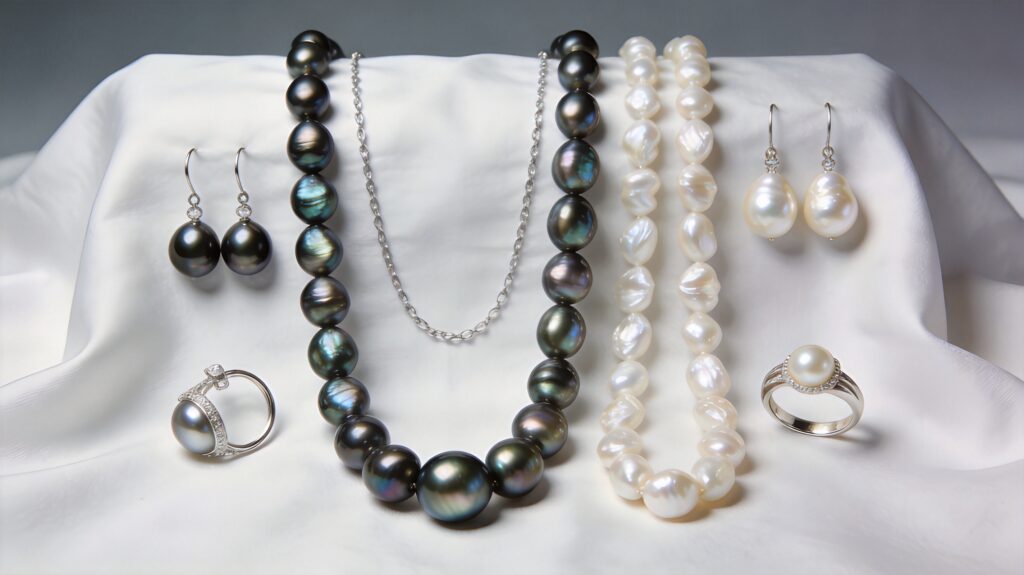
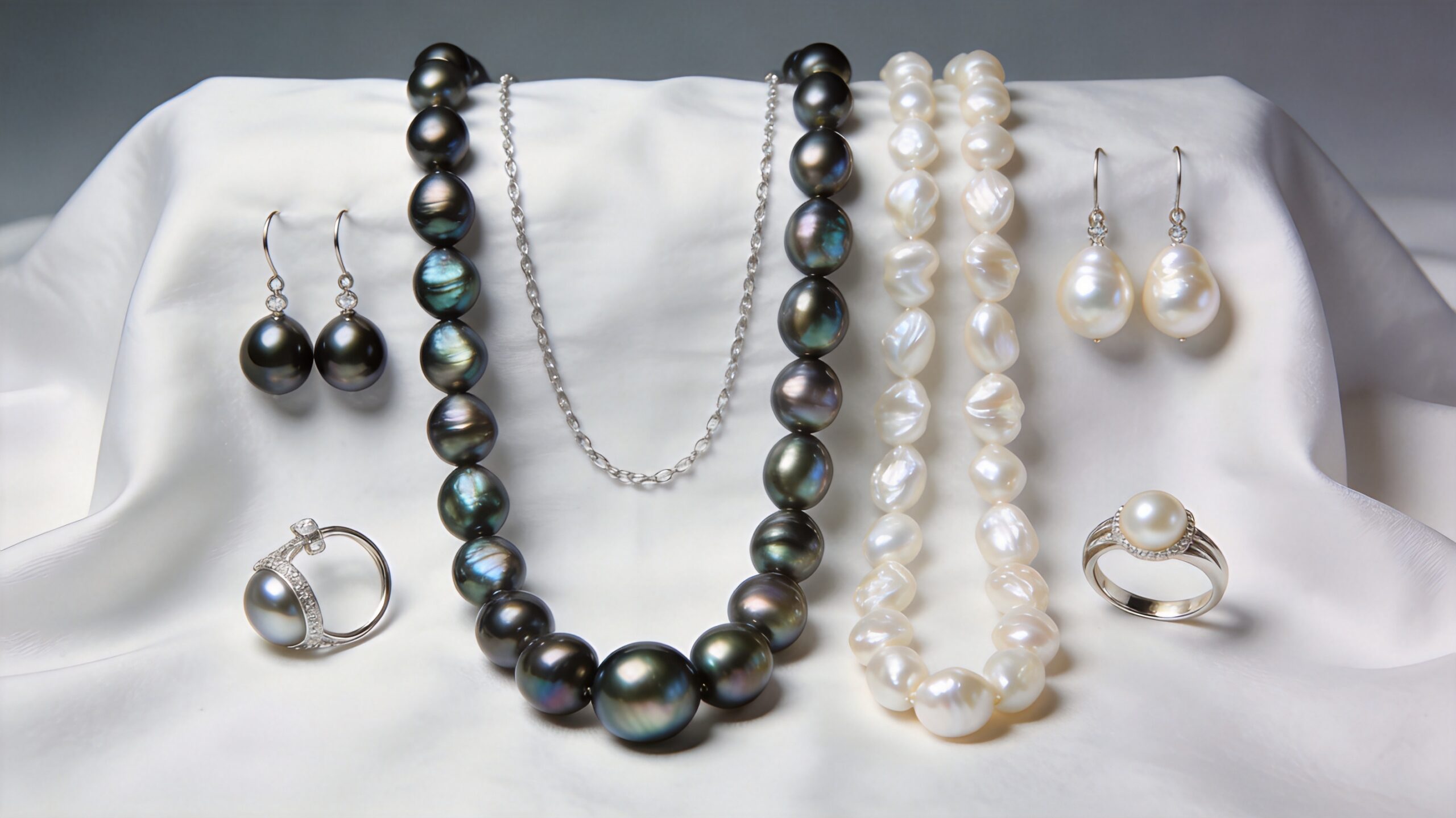
Tahitian pearl jewelry offers a color palette unlike any other. While commonly associated with black, these pearls actually present a stunning spectrum of dark tones, including peacock green, aubergine, deep grey, and silver-blue. The peacock overtone—a mesmerizing blend of green and pink on a dark base—is particularly coveted for bridal looks that demand attention. Sizes typically range from 8mm to 14mm, with larger sizes commanding premium prices. The luster of a high-quality Tahitian pearl is deep and metallic, creating a mirror-like reflection that photographs beautifully. For the bride who wants her jewelry to be a conversation starter, Tahitian pearls offer an unmatched presence that white pearls simply cannot replicate.
Price Points and Per-Piece Consistency for B2B Orders
From a B2B perspective, Tahitian pearls represent a significant investment. Because they are cultivated in the lagoons of French Polynesia under strict quotas, supply is naturally limited. This scarcity drives higher price points, often several times that of comparable freshwater pearls. However, for retailers, this also means higher perceived value and better profit margins per piece. When ordering in bulk, consistency is a critical concern. Reputable pearl jewelry suppliers grade Tahitian pearls rigorously, ensuring that within a single order, the color, size, and luster are well-matched. This consistency is vital for creating multi-piece bridal sets or earrings and necklace combinations that must look cohesive.
Freshwater Pearls: Versatility and Cost Efficiency for Bridal Lines
Shape Variety and Classic White Options for Traditional Brides
Freshwater pearls are the workhorses of the bridal jewelry industry. Cultivated primarily in China, they offer an incredible range of shapes—from perfectly round to baroque and oval. For the traditional bride, a classic strand of white or cream freshwater pearls is the quintessential choice, offering a soft, romantic aesthetic that pairs perfectly with white lace and satin gowns. The variety in shapes also allows designers to create unique, organic-looking pieces that appeal to bohemian and rustic wedding themes. This versatility makes freshwater pearls a safe yet creative choice for a broad customer base.
Budget-Friendly Sourcing for High-Volume Bridal Sets
The most compelling advantage of freshwater pearls is their cost efficiency. Because they grow faster and in larger quantities than saltwater varieties, they are significantly more affordable. This makes them ideal for high-volume orders, such as bridesmaid jewelry sets, bridal shower gifts, or favors. A retailer can source a complete set of freshwater pearl jewelry—necklace, earrings, and bracelet—for the price of a single high-grade Tahitian pearl. This affordability allows you to stock deeper inventory levels without tying up excessive capital, making freshwater pearls a low-risk entry point for new bridal lines.
Head-to-Head Comparison: Durability, Wear, and Design Flexibility
Nacre Thickness and Longevity for Heirloom-Quality Pieces
Nacre thickness is the single most important factor in pearl durability. Tahitian pearls, which take 2 to 3 years to cultivate, typically have thick, dense nacre that resists chipping and wear. They are designed to last generations, making them ideal for heirloom-quality bridal pieces that can be passed down. Freshwater pearls, while improving in quality, often have thinner or less consistent nacre, especially in lower grades. They are more susceptible to surface damage over time. For a bride planning to wear her pearls on every anniversary, Tahitian is the superior choice. For a one-day event or occasional wear, freshwater offers acceptable durability at a fraction of the cost.
Matching Bridal Jewelry to Necklines, Veils, and Hairstyles
Design flexibility is where these two pearl types diverge strategically. Tahitian pearls, with their dark, dramatic tones, are best suited for modern, minimalist gowns with clean necklines—think strapless, sweetheart, or high-neck sheath dresses. They pop beautifully against white and ivory fabrics and complement sleek updos. Freshwater pearls, particularly white and pastel shades, are more forgiving. They work with almost any neckline, from boatneck to halter, and pair beautifully with traditional veils and romantic loose curls. Offering both options allows your customers to find the perfect match for their specific gown and hairstyle.
Sourcing Considerations for Pearl Jewelry Suppliers
Certification, Grading, and Quality Control Standards
When selecting a pearl jewelry supplier, rigorous quality control is non-negotiable. Insist on suppliers who provide certification for their pearls, detailing origin, cultivation method, and grading. For Tahitian pearls, look for the French Polynesian government’s certification. For freshwater pearls, ensure the supplier adheres to international grading standards for luster, surface quality, and shape. A reliable supplier will have a clear return policy for defective or mismatched items, protecting your investment and your reputation with your customers.
Minimum Order Quantities and Lead Times for Bridal Seasons
Bridal seasonality dictates your ordering schedule. Most weddings occur between late spring and early fall, with a peak in June and September. You must plan your sourcing to account for production and shipping lead times. Tahitian pearls, due to their scarcity, may require longer lead times and higher minimum order quantities (MOQs). Freshwater pearls are generally available in larger quantities with shorter lead times. Work with your supplier to establish a calendar that ensures your inventory arrives at least 60 days before the peak bridal season begins.
Building a Balanced Bridal Collection with Both Pearl Types
Positioning Tahitian Pieces as Premium Upsells
A smart retail strategy does not force a choice between Tahitian and freshwater; it leverages both. Position Tahitian pearl jewelry as your premium, high-ticket items. Market them as “investment pieces” for the bride who wants exclusivity and drama. Train your sales staff to present Tahitian pearls as the upgrade option, emphasizing their rarity and heirloom potential. This creates an aspirational tier in your collection that elevates your brand’s perceived value.
Using Freshwater Pearls for Bridesmaids and Gift Lines
Conversely, use freshwater pearls to build volume and accessibility. They are perfect for bridesmaid gifts, mother-of-the-bride sets, and younger brides on a budget. By offering beautiful, well-designed freshwater pieces at accessible price points, you capture a wider market share. This dual-tier approach maximizes revenue: you profit from high-margin Tahitian sales while maintaining steady cash flow through high-volume freshwater sales.
Frequently Asked Questions from Bridal Retail Buyers
Can Tahitian Pearls Be Used for Traditional White Weddings?
Yes, absolutely. While dark, Tahitian pearls can be stunning for a traditional white wedding. A bride wearing a pure white gown can use peacock or silver-blue Tahitian pearls to add a modern, sophisticated contrast. The key is to style them correctly. For a traditional church wedding, a single strand of round, high-luster Tahitian pearls with diamond or white gold clasps can be incredibly elegant. They offer a contemporary twist on a classic look without being jarring.
How Do I Price Bridal Pearl Jewelry for Different Market Tiers?
Pricing should reflect your target demographic and the intrinsic value of the materials. For freshwater pearl sets, use a keystone markup (100% over cost) to remain competitive. For Tahitian pieces, a higher markup of 150% to 200% is justified due to their scarcity and perceived luxury status. Always factor in the cost of findings (clasps, earring posts) and labor. Offer a range of price points within each tier—e.g., a simple freshwater bracelet at $50 and a graduated Tahitian necklace at $800—to cater to different budgets within your bridal clientele.
Final Recommendations for Your Bridal Pearl Jewelry Sourcing Strategy
Choosing Based on Target Bride Demographics
Your final sourcing strategy should be dictated by your customer profile. If your boutique caters to luxury, destination, or fashion-forward weddings, prioritize Tahitian pearls. Invest heavily in showcasing their unique colors and high luster. If your market is more traditional, suburban, or budget-conscious, focus your inventory on high-quality freshwater pearls in classic white and pastel shades. Most successful retailers will find a balance, stocking a core range of freshwater staples and a curated selection of Tahitian statement pieces.
Next Steps: Requesting Samples and Comparing Supplier Quotes
The best way to determine the right mix for your collection is to see the product firsthand. Contact multiple pearl jewelry suppliers and request sample kits containing both Tahitian and freshwater pearls in various grades and sizes. Compare not just price, but also luster, surface quality, and color consistency. Evaluate each supplier’s communication, lead times, and willingness to accommodate custom orders. By doing your due diligence, you will build a bridal collection that is beautiful, profitable, and perfectly aligned with your brand’s identity. For more inspiration on pearl designs, consult this industry reference on Tahitian pearl characteristics.